Consistent HVAC Services for Superior Home Climate Control
High-quality HVAC services contribute to sustaining ideal household temperature balance. Homeowners regularly face issues like peculiar sounds, erratic climate control, and rising energy costs. Routine maintenance can markedly improve unit performance and indoor air quality. Hiring the right service provider is important for enduring advantages. Being aware of the signs that suggest repair is necessary can additionally enhance comfort in the home. What specific signals should homeowners be aware of?
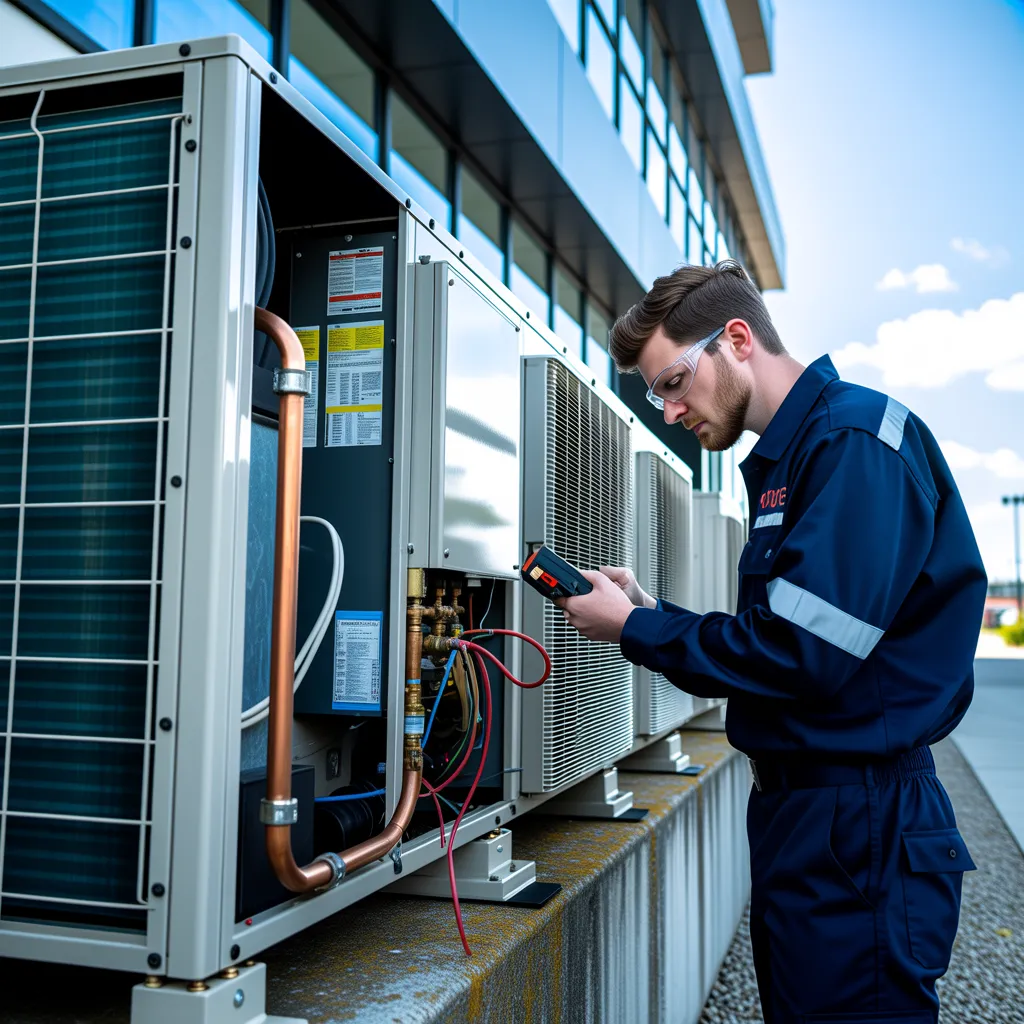
Signs Your HVAC System Requires Repair?
How can homeowners determine when their HVAC system requires repair? Several indicators can help in identifying potential problems. Unusual noises, such as grinding or whistling, often indicate mechanical problems. Additionally, varying temperatures across different rooms may suggest ductwork issues or a malfunctioning thermostat. Homeowners should also be aware of a increase in energy bills, which can indicate that the system is operating more intensively than necessary to maintain comfort.
An critical sign is the manifestation of strange smells, which might indicate electrical issues or fungal growth within the system. Persistent toggling on and off, known as short-cycling, can generate increased strain. At last, if the system is emitting insufficient air or no air at all, it may require prompt action. Detecting these indicators early can prevent extensive damage and costly repairs.
The Significance of Routine HVAC Maintenance
Regular HVAC servicing is essential for guaranteeing peak performance and extending the lifespan of the system. Routine inspections and maintenance help identify potential problems before they escalate into expensive fixes. During maintenance, technicians typically clean components, check refrigerant levels, and confirm that all parts function efficiently. This preventative approach not just enhances system dependability but also boosts energy performance, resulting in lower utility bills.
Moreover, consistent upkeep can substantially enhance air quality inside your home by ensuring filters are pristine and ventilation systems are clear. Failing to maintain your system can result in reduced efficiency and increased wear on components, eventually shortening the system's longevity. Furthermore, most manufacturers demand consistent maintenance to copyright warranty coverage. Through committing to a regular HVAC maintenance schedule, homeowners can enjoy a pleasant living environment while reducing sudden repairs and costs. In summary, consistent maintenance is a essential investment in home climate control.
Key Factors In Choosing An HVAC Service Provider
Picking the right HVAC service provider is crucial to maintaining an effective home climate control system. Several important considerations should be examined to ensure peak service. First, the provider's licensing and insurance status is vital; this safeguards homeowners from possible risks. Second, evaluating knowledge and skill is necessary; seasoned technicians are more likely to identify and fix issues effectively.
Additionally, client feedback and endorsements can provide insight into the provider's dependability and service excellence. Cost clarity is a vital element; a trustworthy company should supply transparent pricing without undisclosed charges. Finally, responsiveness and customer support play a significant role in ongoing maintenance and emergency services. By carefully evaluating these considerations, homeowners can select a reliable heating and cooling specialist, ultimately promoting a comfortable and efficient living environment.
Types of HVAC Units You Should Know About
Understanding the various forms of HVAC systems is important for optimal home climate control. Central air conditioning systems, ductless mini-split systems, and heat pump systems each offer distinct advantages and applications. Understanding with these options enables homeowners to make thoughtful decisions adapted to their specific needs.
Central Air Conditioning Systems
While plenty of occupants hunt for capable climate control solutions, central air conditioning systems serve as a popular choice due to their efficiency and potential to refrigerate large spaces uniformly. These systems function through circulating chilled air through a network of ducts, supplying reliable climate across different spaces. Central air conditioning units typically examination consist of an outdoor compressor and an indoor evaporator coil, which combine efforts to eliminate warmth from the air. This approach not only elevates comfort but also advances enhanced air standards by filtering dust and allergens. Additionally, central systems can be linked with smart thermostats, empowering homeowners to manage energy usage more successfully, thereby reducing utility costs while maintaining a relaxing home.
Ductless Mini-Split Systems
Ductless mini-split systems supply a adaptable and economical choice for homeowners desiring customized climate control. These systems are composed of an outdoor compressor unit and one or more indoor air-handling units, enabling accurate temperature management in individual rooms. This flexibility enables homeowners to customize heating and cooling according to their specific needs, boosting comfort while possibly reducing energy costs. Furthermore, ductless systems are easier to set up than traditional systems, as they demand minimal ductwork, making them ideal for retrofitting older homes. Their compact design also allows installation in spaces where conventional systems may not fit. As a result, ductless mini-split systems are increasingly popular for those seeking to enhance home climate control efficiently.
Heat Pump Systems
Heat pump systems provide another state-of-the-art option in contemporary heating and cooling technology, providing both cooling and heating solutions through a single unit. These systems function by transferring heat rather than producing it, making them economical with energy and green. There are two main types: air-source and ground-source (or geothermal) heat pumps. Air-source units capture heat from the outside air, while ground-source systems draw heat from the ground. Both types can markedly reduce energy bills and cut carbon footprints. Heat pumps are particularly successful in moderate climates, where they can keep comfortable indoor temperatures year-round. However, their efficiency can decrease in extreme temperatures, requiring supplemental heating. Overall, heat pump systems are a practical choice for homeowners in search of sustainable climate control solutions.
How heating and cooling solutions Can Cut You Money On Energy Bills
Quality HVAC solutions serve as a critical component in minimizing energy bills for homeowners. Preventative maintenance, smart thermostat installations, and energy-efficient upgrades can significantly enhance system performance. By strengthening these factors, homeowners can attain major reductions on their energy costs.
Efficient System Maintenance
Maintaining an HVAC system is vital for boosting energy efficiency and reducing monthly utility costs. Scheduled inspections and maintenance ensure that the system operates at peak performance, reducing energy consumption. Routine maintenance tasks, such as filter replacement or cleaning, can substantially improve airflow and lower strain on the system, leading to decreased energy bills. Additionally, managing small problems before they develop into costly maintenance can save homeowners considerable amounts in the long run. HVAC professionals can spot inefficiencies and propose adjustments, confirming that the system runs smoothly throughout the year. By emphasizing regular system maintenance, homeowners can achieve a comfortable indoor climate while also enjoying major savings on their energy expenses.
Smart Thermostat Installation
An intelligent temperature control device can significantly improve energy savings for property owners while providing greater control over home temperature. By automatically adjusting climate control configurations based on occupancy and preferences, these systems optimize power usage. HVAC services play a vital role in the installation process, ensuring that the thermostat is compatible with current infrastructure and configured for optimal performance. Professional installers can also educate homeowners on capabilities like off-site control and energy usage reports, allowing informed decisions about temperature management. Additionally, many smart thermostats connect with home automation systems, additionally enhancing energy management. Ultimately, putting money into smart thermostat setup through dependable HVAC services can lead to significant reductions in energy bills while enhancing overall comfort in the home.
Energy Efficiency Improvements
Energy-efficient renovations are fundamental to cutting energy expenses on energy bills while increasing home comfort. HVAC services can provide support to homeowners in identifying and introducing these upgrades, which include high-efficiency heating units, efficient cooling systems, and reinforced insulation. By modernizing outdated systems with cutting-edge, efficient models, households can decrease energy consumption considerably. Additionally, scheduled maintenance ensures superior performance, preventing costly repairs and inefficient functioning. Weatherizing ductwork and sealing gaps further improve energy efficiency, allowing for better temperature management throughout the home. Investing in these upgrades not only reduces monthly utility costs but also furthers a more sustainable environment. Overall, energy-efficient improvements are a sound financial investment for homeowners aiming to maximize both comfort and savings.
HVAC Services Enhance Air Quality
Improving air quality indoors is a main advantage of expert HVAC service providers. Regular upkeep and maintenance of HVAC systems ensure that filters are clean and working properly, which helps capture dust, allergens, and other pollutants. Regular inspections can identify issues such as mold growth or duct leaks, both of which can greatly diminish air quality.
Furthermore, HVAC experts can suggest and set up air cleaning units, which additionally improve the residential space by trapping microscopic particles. They can also evaluate moisture content, as high humidity can result in mold and mildew, compromising air quality.
What To Anticipate During Your HVAC Appointment
Preserving ideal air quality inside often leads homeowners to schedule HVAC service calls. During these appointments, technicians generally commence with a detailed review of the system, evaluating components such as filters, ducts, and thermostats. They may ask questions regarding any specific issues or odd noises, allowing them to adapt their service.
Subsequently, technicians often clean or replace filters to increase efficiency and air purity. They may also review refrigerant levels and scan for leaks, ensuring peak performance. Additionally, they will test the system's functionality, verifying that thermal functions operate smoothly.
Homeowners can get a thorough report outlining conclusions and recommendations. This may involve guidance for future upkeep or possible improvements. By comprehending these processes, homeowners can more fully understand the value of routine HVAC service calls in creating a safe and pleasant home environment.
Regularly Requested Questions
What Length of Duration Does You Anticipate for HVAC Setup?
HVAC implementation normally requires between one to three days, based on the system's complexity and the extent of the home. Aspects such as current setup and required modifications can also influence the duration.
What Guarantees Do HVAC Systems Offer?
HVAC systems usually come with different warranties, including limited parts warranties, extended labor warranties, and comprehensive coverage warranties, which may differ by manufacturer and installation service. Customers should review options attentively to confirm adequate coverage.
Can I install an HVAC System myself?
Setting up an HVAC system by yourself is doable but frequently impractical. Correct knowledge, tools, and local codes must be reviewed. Expert setup is normally recommended to guarantee security, efficiency, and adherence to codes.
What Defines the Normal Lifespan of an HVAC Unit?
The typical duration of an HVAC unit typically ranges from 15 to 25 years. Elements such as upkeep, usage, and environmental conditions can greatly influence its lifespan, affecting overall performance and efficiency.
How Often Should I Replace My HVAC Filter Elements?
HVAC filters require regular replacement every one to three months, based on usage and environmental factors. Regular changes guarantee peak system efficiency and improves indoor air quality, fostering a healthier living environment.